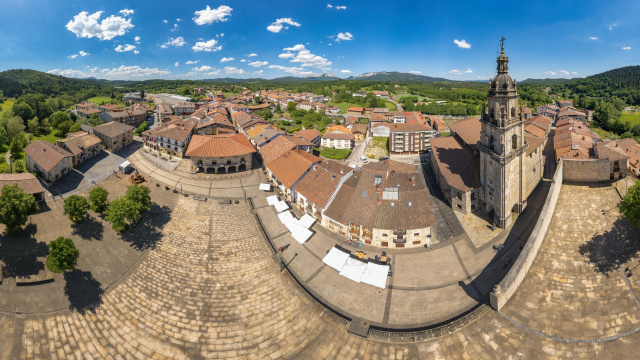
Main Square
It constitutes an irregular open space, remodeled in the 19th century.
Not only was it the main meeting place for the town’s inhabitants, but it was also where most commercial activity took place. The buildings in this square are two or three storeys high. Houses dating from the 16th and 17th centuries have been preserved, with a ground floor of ashlar masonry and timber-framed upper storeys. Notable among the buildings in this square are: the Town Hall, the Renaissance Church of Santa Marina with its Baroque tower, the pelota court, the pasealeku and the bolatoki. Today, this square remains an important hub of the town, as most activities take place here.
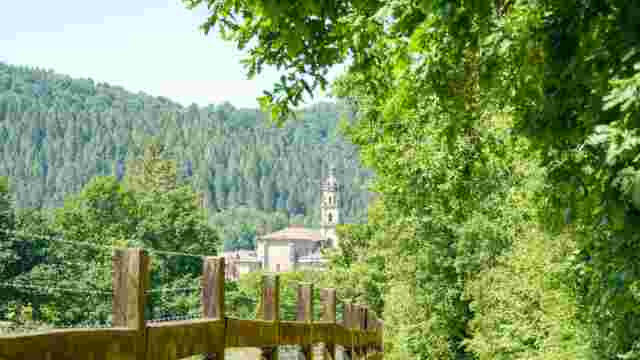
Church of Saint Marina
It is the second most important public building in the town. It was built in the 16th century, in the Renaissance style.
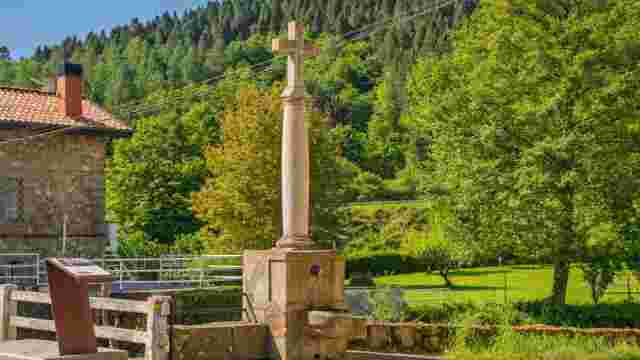
Village Cross and Uribarrena Spring
It dates from the 19th century and is in the Neoclassical style.
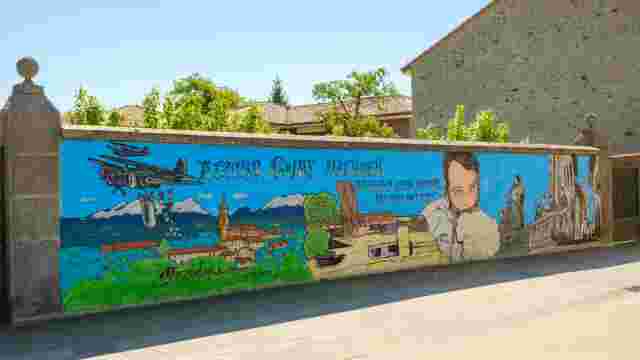
Sculpture in memory of those who died in the Andikona bombing
Work of the sculptor Nestor Basterretxea “Heriotza zerutik etorri jakun”
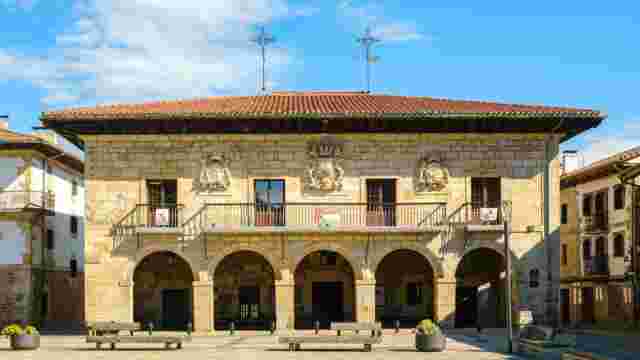
Town Hall
It was built in 1742.
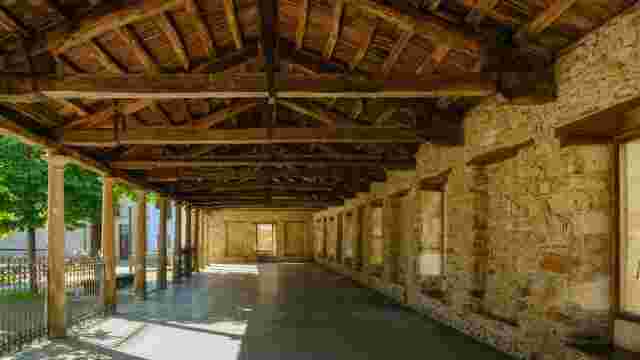
Promenade and bowling alley
Pasealekua dates from the 19th century and Bolalekua is a neoclassical project from 1861.
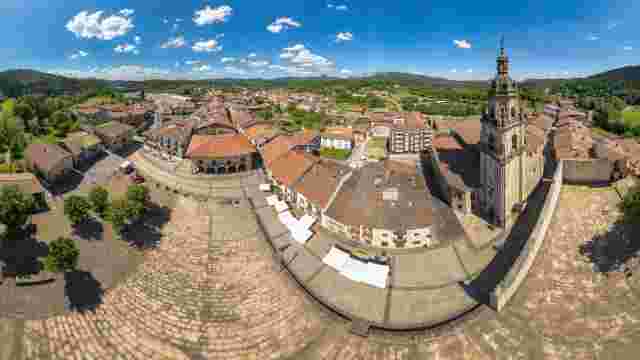
Main Square
It constitutes an irregular open space, remodeled in the 19th century.
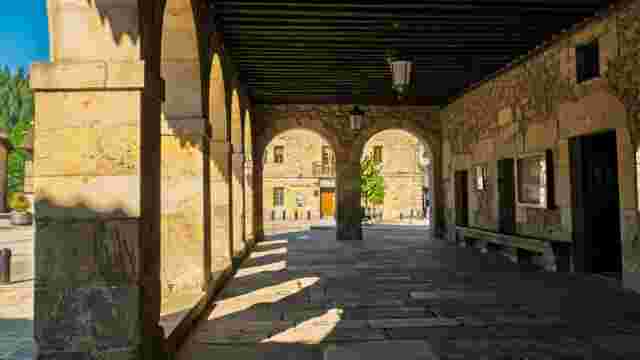
House of Culture
This building is located at Plaza Nagusia number 6.
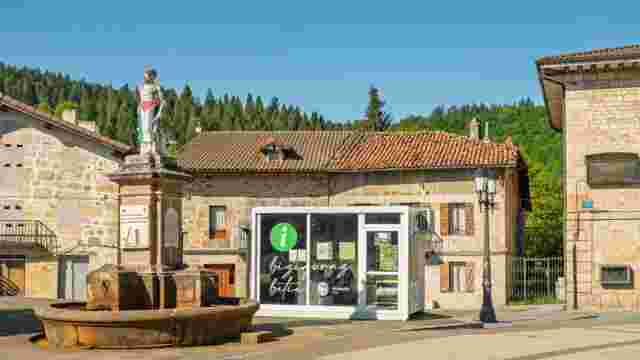
Vulcano Spring
This fountain is a beautiful tribute to the town's past.
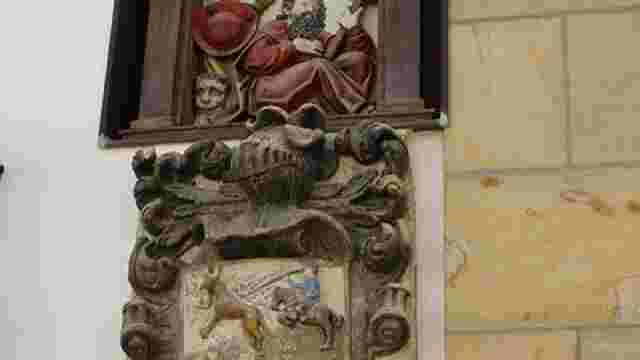
Casa Torre (Ancient Manor House)
Located at 30 Uribarrena Street, it was burned down by Pedro de Abendaño in 1443.
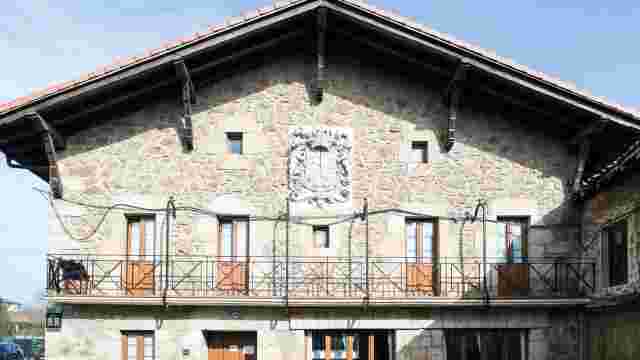
Former hospital
It was built at the end of the 18th century with resources from the Americas.
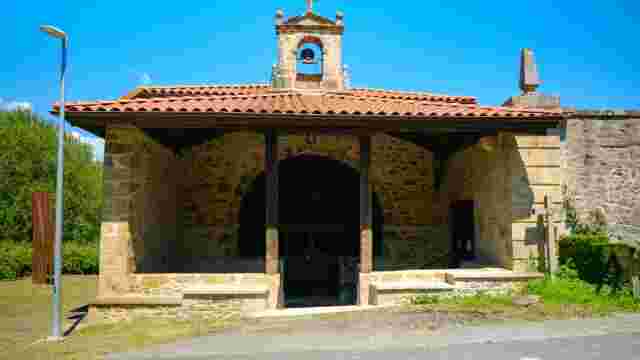
Hermit of Saint Roch
We found the hermitage of San Roque by the royal road, next to the cemetery.
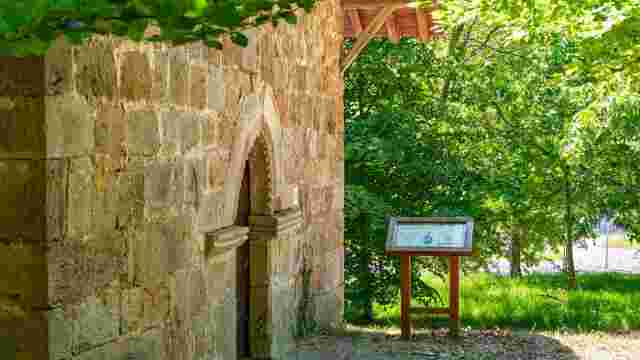
Hermitage of Saint Martin
It was built in the late 15th and early 16th centuries.

War shelters
As a result of the bombing of Andikona and the proximity of the front, many residents of Otxandio left the town
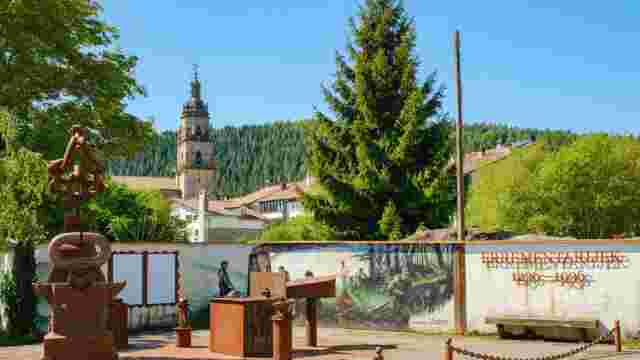
Errementariak Sculpture
Also known as the Hermitage of Elizbarri
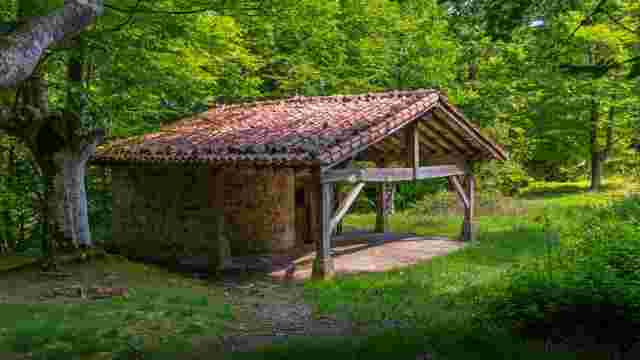
Astikurutz Fridge
Recently rebuilt. In Pagadoi, next to the road that connected Gordobil with Otxandio.